
Exploring the psychology behind high-stakes casino decisions
Unlocking the secrets of casino success Strategies for winning big
March 5, 2026Finest Online slots Websites 2025 Greatest Real money Position santa surprise free spins Games Inform
March 5, 2026The Thrill of Risk and Reward
The allure of high-stakes gambling lies in the inherent risks associated with it. Players are often drawn to the excitement of potentially large payouts, which can trigger an adrenaline rush that is hard to resist. This emotional high can cloud judgment, leading players to make decisions driven more by the thrill of the gamble than by logical reasoning. In this wild pursuit, some may even explore canadian sports betting sites for alternative avenues. The psychology behind this phenomenon is deeply rooted in human behavior, where individuals may prioritize short-term excitement over long-term consequences.
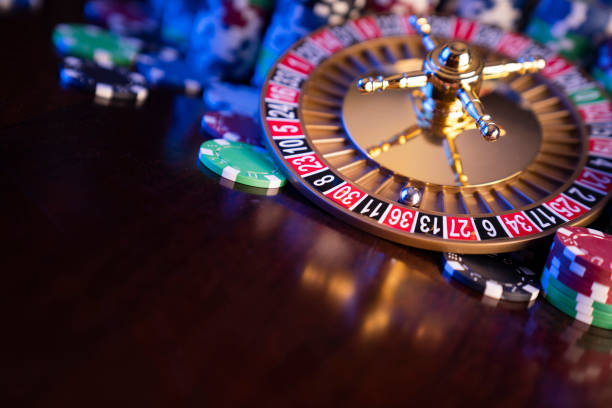
Additionally, the structure of high-stakes games often amplifies this risk-reward dynamic. The environment in casinos, filled with flashing lights and enticing sounds, serves to heighten emotions, making it easier for players to engage in reckless decision-making. This combination of risk and reward taps into the brain’s reward system, reinforcing the behavior even when it may lead to negative outcomes.
Cognitive Biases in Gambling
Cognitive biases play a significant role in how decisions are made in high-stakes casino settings. Gamblers are often susceptible to biases such as the gambler’s fallacy, where they mistakenly believe that previous outcomes will affect future results. For instance, a player might think that after a series of losses, a win is due, leading to riskier bets in hopes of recovering losses. This cognitive distortion can significantly skew decision-making processes in high-pressure environments.
Furthermore, confirmation bias can also influence players’ decisions. Gamblers may selectively remember wins while overlooking losses, reinforcing their belief that they are skilled or that luck is on their side. Such biases can create a distorted perception of reality, making it challenging for individuals to recognize when to step back and reassess their strategies.
Emotion Versus Logic in Betting Strategies
In high-stakes situations, emotions often overshadow logical reasoning. The intensity of the gambling experience can lead players to make impulsive decisions rather than sticking to well-thought-out strategies. Emotional factors, including excitement, frustration, and even desperation, can drive individuals to chase losses or escalate their bets in the heat of the moment. This emotional volatility can create a cycle of decision-making that ultimately harms the player’s financial situation.
On the other hand, players who can effectively manage their emotions and apply logical reasoning to their betting strategies are more likely to succeed in high-stakes environments. Using self-control and a rational approach to assess risks can help mitigate the emotional impact and lead to more informed decisions. Understanding the balance between emotion and logic is crucial for navigating high-stakes casino scenarios effectively.
The Influence of Social Dynamics
Social dynamics significantly impact decisions made in high-stakes casinos. The presence of peers and fellow gamblers can create a competitive atmosphere, leading individuals to take risks they might not otherwise consider in isolation. Peer pressure and the desire for social acceptance can influence gamblers to make larger bets or engage in riskier behaviors to align with those around them.
Additionally, casinos often employ tactics to enhance social interaction, such as offering complimentary drinks or creating lively environments that encourage camaraderie among players. While these factors can enhance the gambling experience, they can also lead to decision-making that prioritizes social engagement over personal financial well-being.

Understanding the Casino Environment
The casino environment is meticulously designed to influence player behavior and decision-making. Elements such as lighting, layout, and sounds are strategically utilized to create an atmosphere that encourages prolonged engagement and higher stakes. This sensory experience can heighten feelings of excitement and anticipation, leading players to make bolder decisions without fully considering the risks involved.
Moreover, the psychological impact of branding and marketing in casinos cannot be understated. Promotions, loyalty programs, and the overall theme of the casino contribute to a player’s perception of value and success. Understanding these environmental factors can help players recognize the psychological traps present in high-stakes settings, ultimately helping them make more informed choices.